
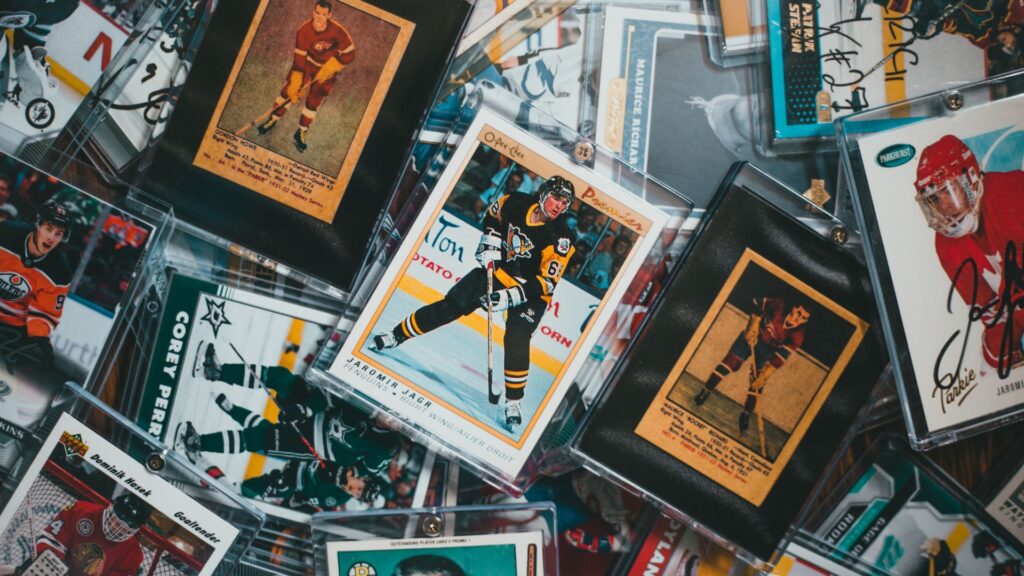
Card grading is one of the cleanest ways to turn trading cards into real money. A raw card might be worth $20. The same card in a PSA 10 can sell for $200 or more. The difference is trust. PSA gives buyers a clear, third party grade that proves condition and protects the card.
If you do this the right way, PSA grading can be one of the best flipping strategies in 2026.
What is PSA Grading
PSA stands for Professional Sports Authenticator. They act like a referee for trading cards. You send in a card. They inspect it. They give it a grade from 1 to 10. A PSA 10 is nearly perfect. A PSA 9 is still strong but has small flaws.
Once graded, the card is sealed in a plastic case called a slab. This makes it easier to sell and often boosts the value.
Buyers trust PSA. That trust is what turns normal cards into premium assets.
Why Grading Makes You Money
Grading works because it removes doubt. When someone buys a raw card, they worry about scratches, fake cards, or hidden damage. With PSA, the condition is already verified.
Here is how profit happens:
You buy or pull a card for cheap
You grade it
You sell it for much more
The key is choosing the right cards and only grading the ones that can hit PSA 9 or 10.
Step 1: Pre Grade at Home
Before you send anything to PSA, inspect your cards. Use a bright light. Look at four main areas:
Centering
Are the borders even on all sides
Corners
Are they sharp or soft
Edges
Look for whitening or chips
Surface
Check for scratches, print lines, or stains
The golden rule is simple. Go to eBay. Search your card. Filter by sold listings. Compare PSA 9 and PSA 10 prices. If the price difference is not big enough to cover grading fees and profit, do not send it.
Step 2: Get the Right Supplies
PSA is strict about how cards are packed. You need the right tools.
Penny sleeves to protect the card
Card Saver 1 holders for submission
Microfiber cloth to wipe dust
Optional air blower for particles
Painter tape to close holders
Team bags to bundle cards
Bubble mailer and a strong box
Do not skip this. Bad packaging can ruin a card and kill your profit.
Step 3: Create Your PSA Submission
Go to the PSA website and create an account. Start a new submission. You will enter:
Card year
Brand
Player
Card number
Declared value
Choose your service level. Faster services cost more. Slower services are cheaper but take longer.
Pick the level that makes sense based on the card value.
Step 4: Pack and Ship Your Cards
Put each card in a penny sleeve, then into a Card Saver 1. Stack them in the same order as your submission form.
Place cardboard on both sides. Wrap in bubble wrap. Put everything in a box.
Always ship with tracking and insurance. These cards are your inventory.
Step 5: Wait for Grades
PSA will update your account when grades are ready. You will see each card and its grade online before they ship them back.
This is the moment of truth. PSA 10 means profit. PSA 9 is often still good. Lower grades usually mean break even or small loss.
This is why pre grading matters.
Step 6: Sell for Profit
When your cards come back, take clean photos. Show the front and back of the slab. List them on eBay, Whatnot, or other card marketplaces.
Fresh slabs often sell best in the first week. Buyers like newly graded cards because they look clean and new.
Price based on recent sold listings, not active listings.

Pro Tips That Make the Difference
Only send your best cards
Out of 10 raw cards, maybe 2 or 3 are worth grading
Do not rush
Bad cards waste money
Keep records
Track what you paid, grading cost, and sold price
Do not panic sell
Short term dips happen. Long term demand stays strong for top cards
Final Thoughts
PSA grading is not gambling if you do it right. It is a numbers game. Buy smart. Grade only the best. Sell when demand is high.
In 2026, collectors still want slabs. They still pay more for trust. If you learn this process once, you can repeat it over and over.