
Print on demand is one of the most beginner-friendly ways to start selling physical products because you never have to hold inventory or ship a single item yourself.
You design a product, list it in your store, and a print on demand partner creates and ships it only after someone places an order.
This guide covers exactly how the model works and how to launch your first store.
Quick Summary
- Print on demand lets you sell custom products without holding inventory
- A supplier handles printing, packing, and shipping for every order
- Success comes down to picking a niche, creating designs people want, and driving traffic
- Most beginners start with apparel, mugs, or home goods
How Print on Demand Works
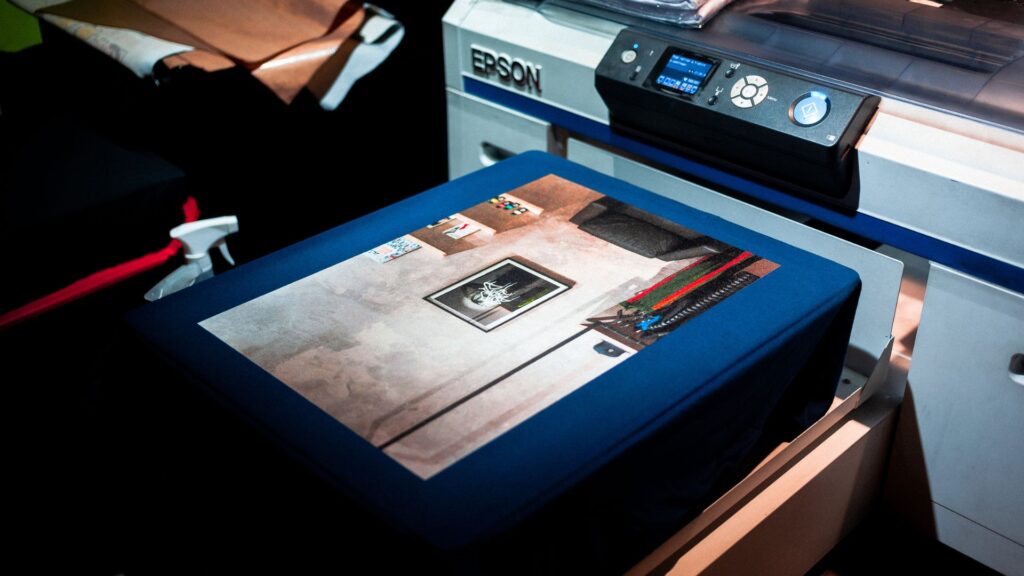
You upload a design to a product, like a shirt, tote bag, or mug. When a customer orders it, your print on demand partner prints the item, packages it, and ships it directly to the buyer.
You never touch the product yourself. Your job is picking the niche, creating designs, and getting people to your store.
Choosing a Niche and Product
Pick a niche you understand, whether that is a hobby, a type of humor, or a specific audience like pet owners or teachers. Niche designs tend to perform better than generic ones because they speak directly to a specific buyer.
Start with one or two product types instead of listing everything at once. Apparel, mugs, and posters are common starting points because they are simple to design for.
Setting Up Your Store
- Choose an ecommerce platform to build your store on
- Connect a print on demand supplier to handle production and shipping
- Create your designs and upload them to your chosen products
- Write clear product titles and descriptions
- Launch and start promoting your store
Designing Products That Sell
You do not need to be a professional designer to get started. Simple, clear designs with a clean message often outperform complicated artwork.
Look at what is already selling in your niche for inspiration, then create your own version instead of copying it directly.
Where to Find Your First Customers
Social media, especially short form video, is one of the fastest ways to show your products in action. Posting designs, behind the scenes content, and customer reactions helps build interest before you spend anything on ads.
A supplier like Printify makes it simple to connect your designs to real products and start fulfilling orders without managing inventory yourself.

Common Mistakes to Avoid
- Listing too many products before validating any of them
- Using generic designs that do not speak to a specific audience
- Ignoring product mockups and photos that actually show the design clearly
- Expecting sales without promoting the store anywhere
Final Thoughts
Print on demand removes the biggest barriers to starting a physical product business. Focus on a niche, create designs people actually want, and promote consistently while your supplier handles the rest.